
Learn Urdu Online - A Complete Guide for Families in the West
How kids actually pick up Urdu
A few ideas shape everything we make. They are worth knowing even if you never buy anything from us. For a fuller version with a simple weekly routine, read our parent guide to teaching Urdu at home.
Speaking comes before script. Children understand and speak their first language years before they read it, and a second language works the same way. That is why we teach in Roman Urdu, which is Urdu written in the English letters your child already knows. Our books also show the Urdu script, so it is there from the start, and reading and writing it can come later. (There is more on this in the questions at the bottom of the page.)
A little, often. Short, regular practice does more than an occasional long session. Our kids classes meet twice a week, and a few minutes of books or app play on the other days keeps new words fresh. The aim is for Urdu to feel like a normal part of the week rather than a special event.
It has to be fun, or it stops. A child raised in the West is unlikely to stick with drills and memorization, and we don't think they should have to. Games, stories, music and friendly teachers are how our classes are taught from the very first lesson.
Live online Urdu classes for kids and adults
See a real class
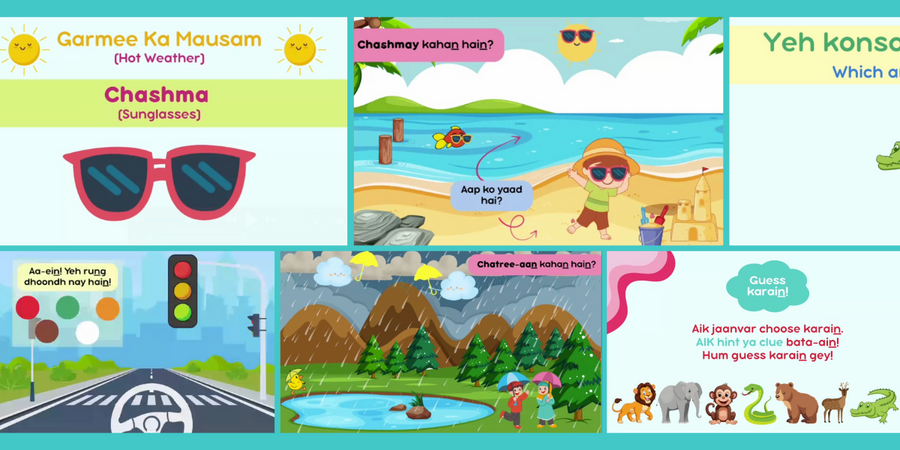
This short clip is from one of our Conversational Urdu classes for kids ages 5 to 7. It gives you a feel for the pace, the visuals and how much the kids get to talk.
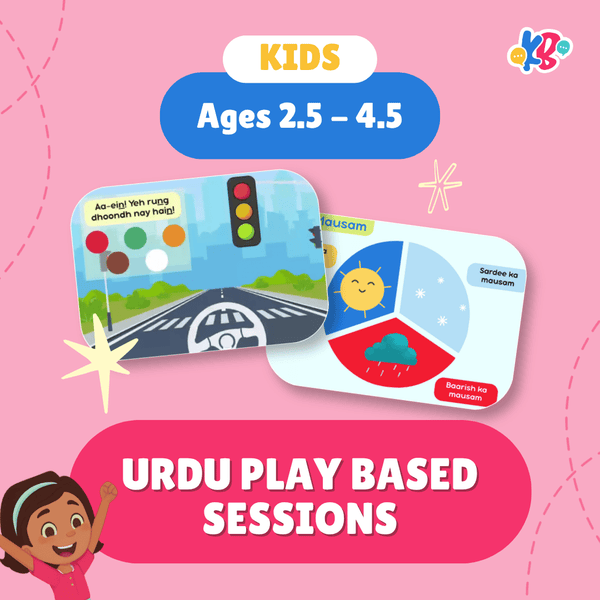
Play-based sessions, ages 2.5 to 4.5
Once a week for 20 minutes, in small groups of up to 4 or 5 little ones. Sounds, movement, music and short stories in a mix of Urdu and English, made for children who are just starting to pick up and repeat Urdu words.
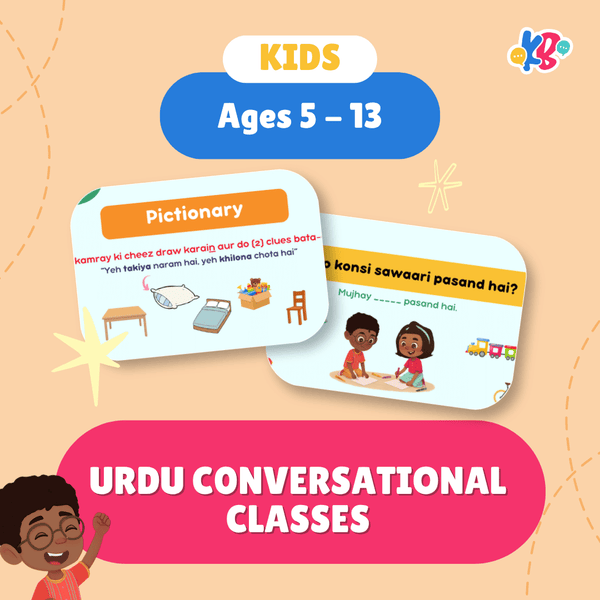
Conversational classes, ages 5 to 13
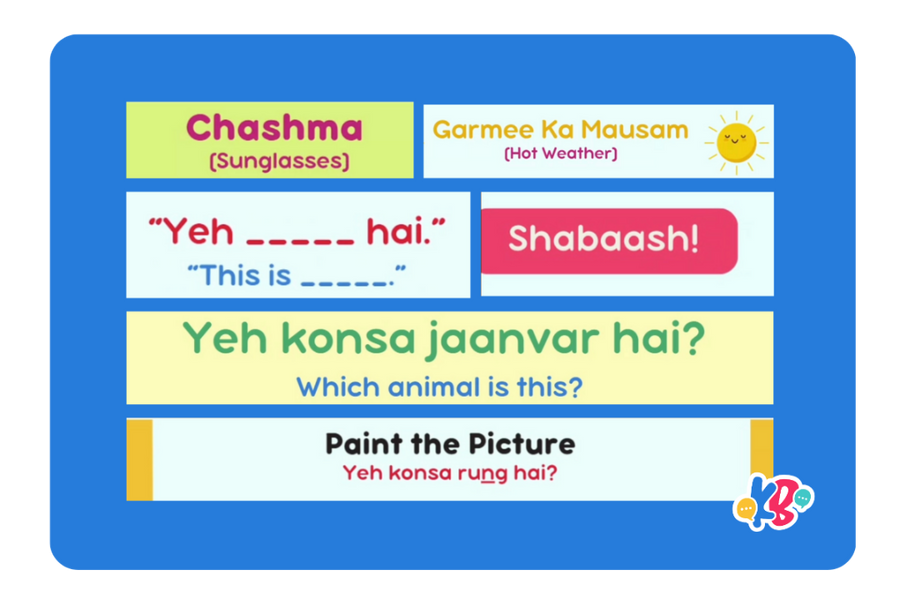
Twice a week, 30 to 45 minutes depending on group size, with groups for ages 5 to 7, 8 to 10 and 11 to 13. Children start at the Foundation level and move up through levels like Intermediate, Storyteller and Communicator at their own pace.
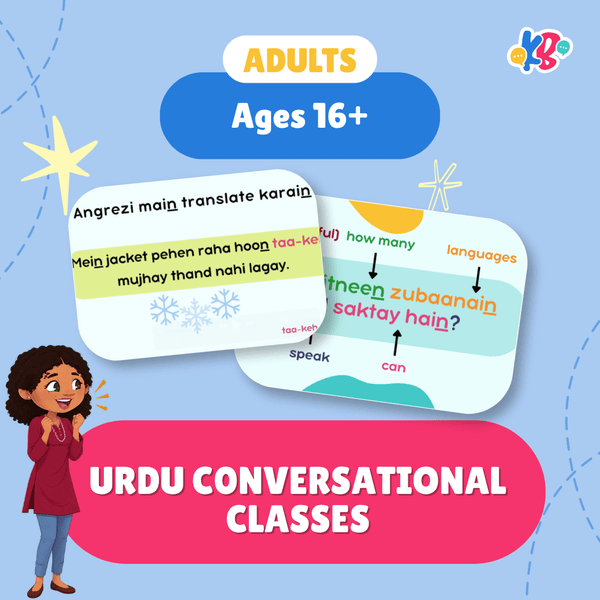
Adult classes, ages 16+
Once a week for 60 minutes, in small groups of 3 to 5. For adults who understand a little Urdu, or none at all, and want to start speaking it. Also taught in Roman Urdu.
Urdu script classes, ages 13+
Once a week for 50 minutes. For older learners who want to read and write the Urdu script, starting with letters and moving on to words and short sentences.
What that looks like in practice:
- Groups of 3 to 5 students, so every child gets turns to speak in every class
- Each kids level takes three months, with a review month at the end and a progress report from the teacher
- Class times on weekday evenings and weekend mornings, listed in Eastern, Pacific and UK time
- Practice resources between classes, and a recording on request if your child misses a class
- A monthly subscription you can cancel anytime with 2 weeks' notice
- A laptop or tablet with a camera is all you need to join
Parents often tell us the moment it clicks happens outside class, about two months in, in the car or at a family dinner, when their child answers a grandparent in Urdu without being asked.
If the time you want is full, you can join the class waitlist and we will email you when new spots open.
Classes for kids 2.5 to 13 and for adults: see all levels and times
Virtual Urdu summer camps
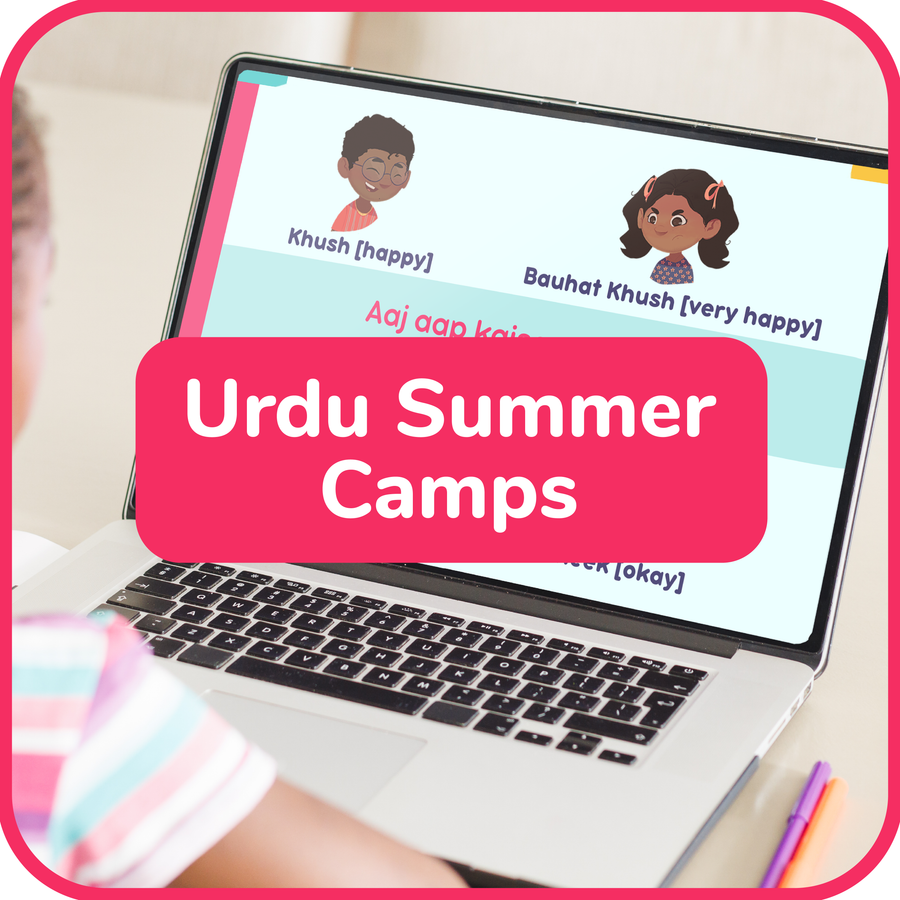
Every summer we run week-long virtual Urdu camps for kids ages 5 to 10. Each camp meets Monday to Friday for 45 minutes a day, in small groups of 3 to 5, with games, stories, arts and crafts and a new theme each week. The Foundation camp is for children with little or no Urdu. The Storyteller camp is for kids who already understand a fair amount and can put some Urdu sentences together on their own.
Camps are an easy way to try us out. You choose the weeks that suit your summer instead of starting a monthly class subscription, and they are fun enough that even a reluctant kid often finishes the week asking when the next one is. Many camp families move straight into regular classes in the fall.
Roman Urdu books and the Bolo Pen for practice at home
Classes give your child a teacher twice a week. Books give Urdu a place in your home on the other days. Here’s how to choose Urdu books for kids by stage.
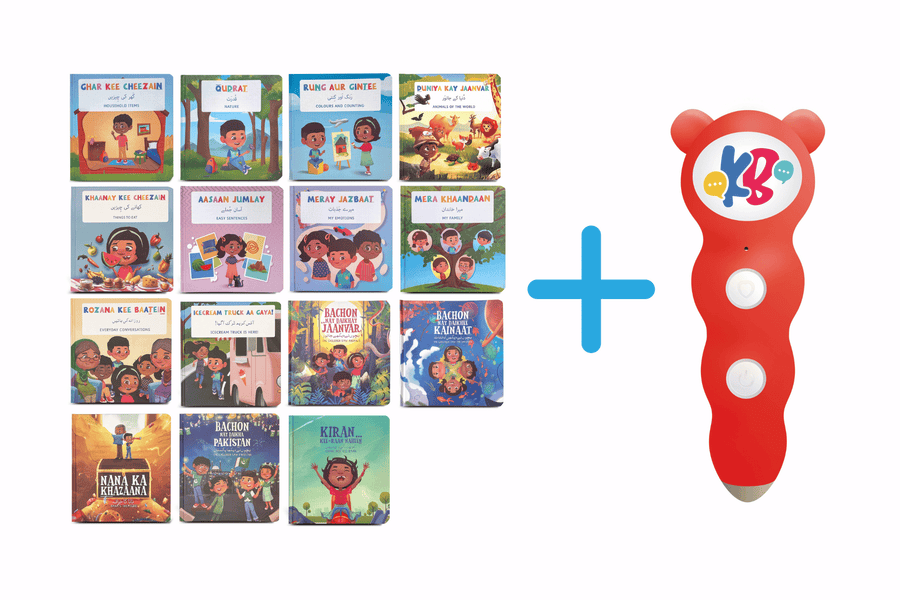
Our illustrated hardcover board books are written in Roman Urdu, English and Urdu script, so your child can read them from day one, and so can you, whatever your own Urdu is like. There are 15 books in three series. The word books cover household items, nature, colours and counting, animals and food. The sentence books move on to easy sentences, emotions, family and everyday conversations. The storybooks include Kiran...not Kee-raan, Nana's Treasure and the books in The Children Saw series.
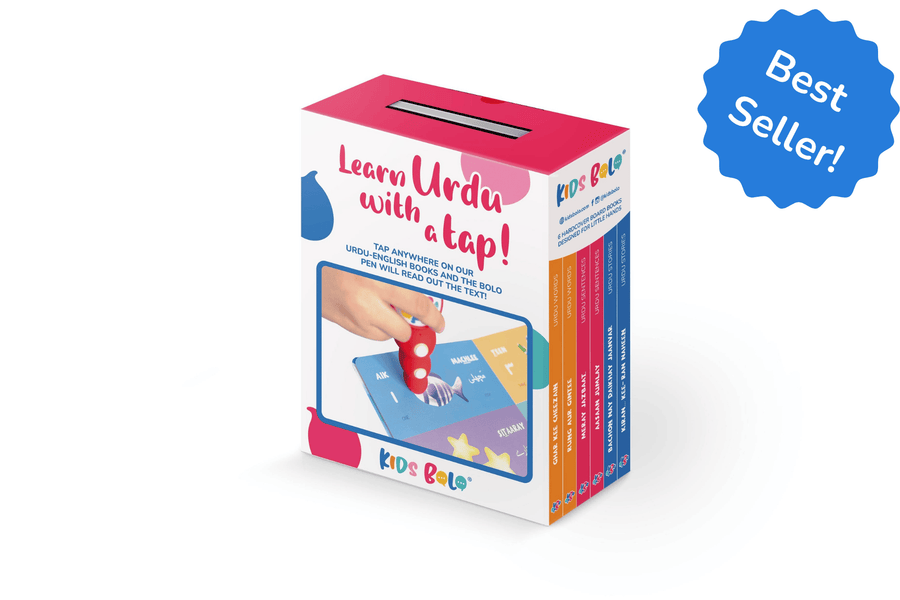
The Bolo Pen is what makes the books special. Tap anywhere on a page and the pen reads it out loud with native Urdu audio, in Urdu and in English, with sound effects and even music. It helps with something a lot of diaspora parents worry about: it is hard to teach pronunciation you are not sure of yourself. Kids treat the pen like a toy and happily use it on their own, and there is no screen involved. One pen works with every Kids Bolo book, recharges over USB and has a headphone jack.
If you are not sure where to begin, the Starter Set is our most popular set: six books (two word books, two sentence books and two storybooks) plus the Bolo Pen, with free shipping to Canada, the US and the UK.
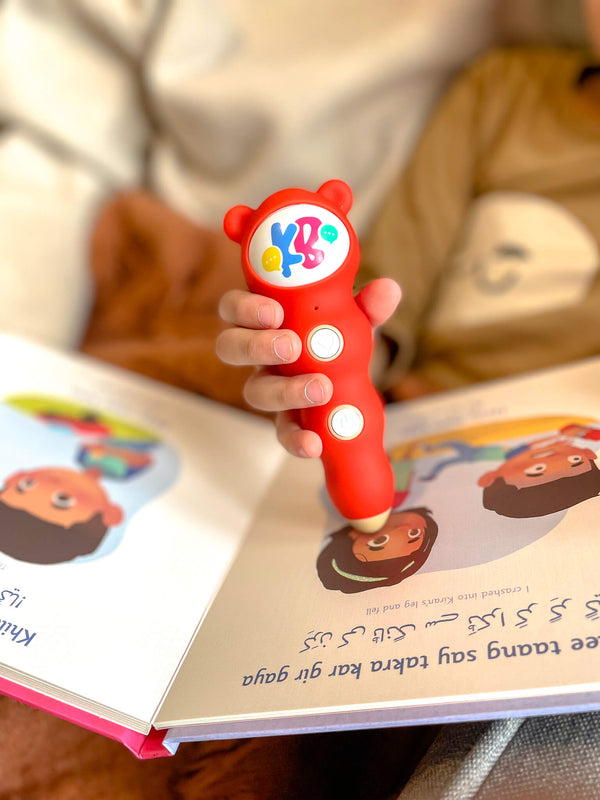
The pen can speak!
Tap the pen anywhere on our books and it will read out the text or play fun sound effects
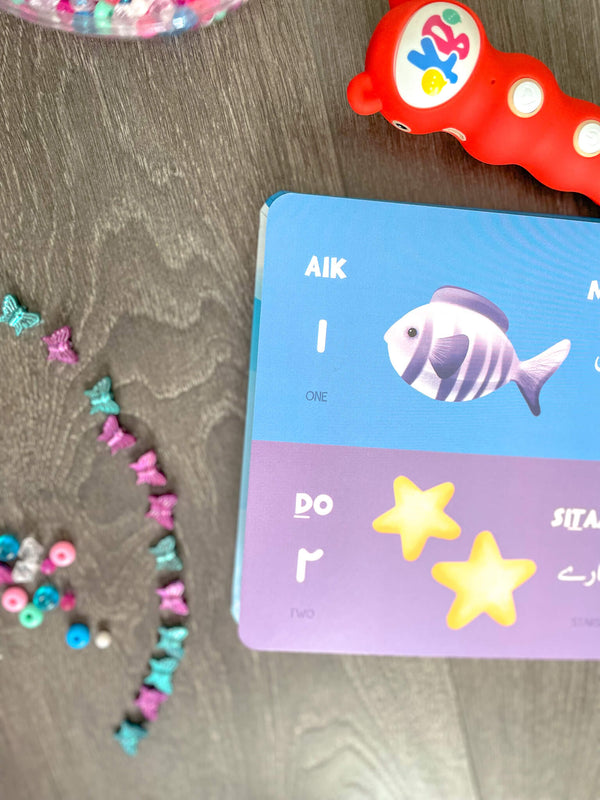
Made for kids in the West
Written in simple language using Roman Urdu, Urdu script and English
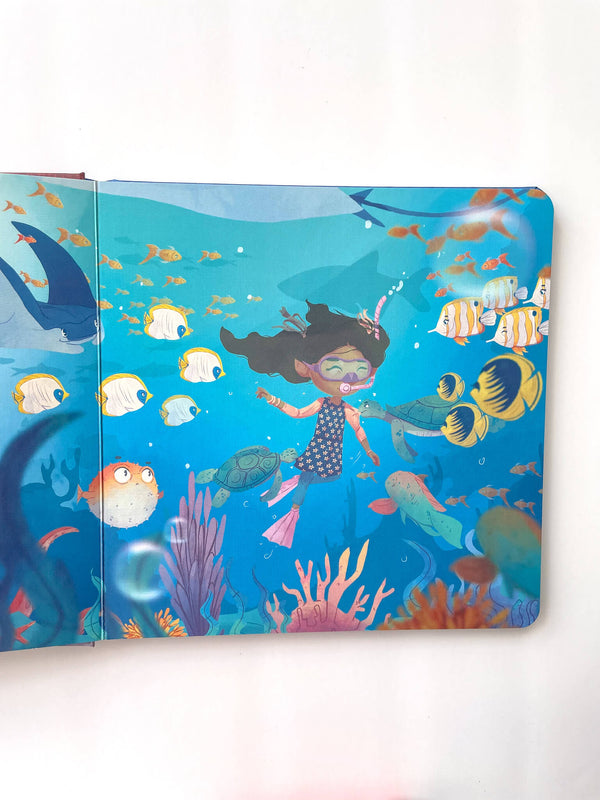
Fun to use on their own
Kids can use the pen on their own, and the books have fun illustrations, sound effects and storylines
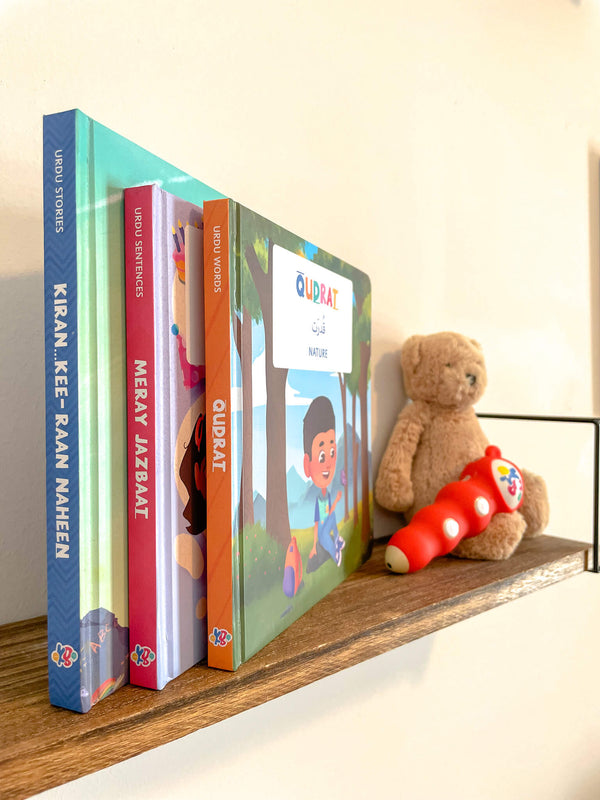
Built to last
15 hardcover board books across three series: word books, sentence books and storybooks
Free ways to start learning Urdu today
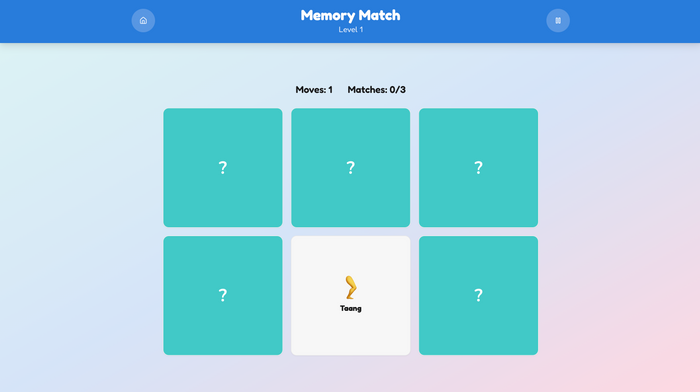
The free Kids Bolo app
Our free Urdu learning app has flashcards with native Urdu audio, mini games and quick quizzes, and it runs in the browser on a phone, tablet or computer. The games are Memory Match, Select the Object, Fill in the Blanks, Yes or No and Count the Objects. It uses the same vocabulary our books and classes teach, so a few minutes in the car or a waiting room keeps those words fresh.
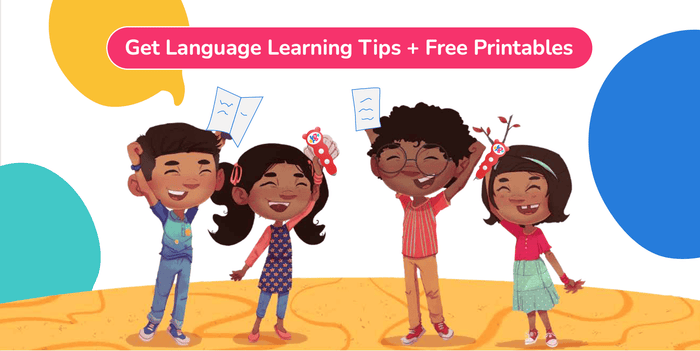
Free printable worksheets
Ten printable Urdu worksheets written in English letters, with colouring, matching, first words and a few short reading checks. Print a couple for a quiet afternoon activity. You get the download link when you join our email list.
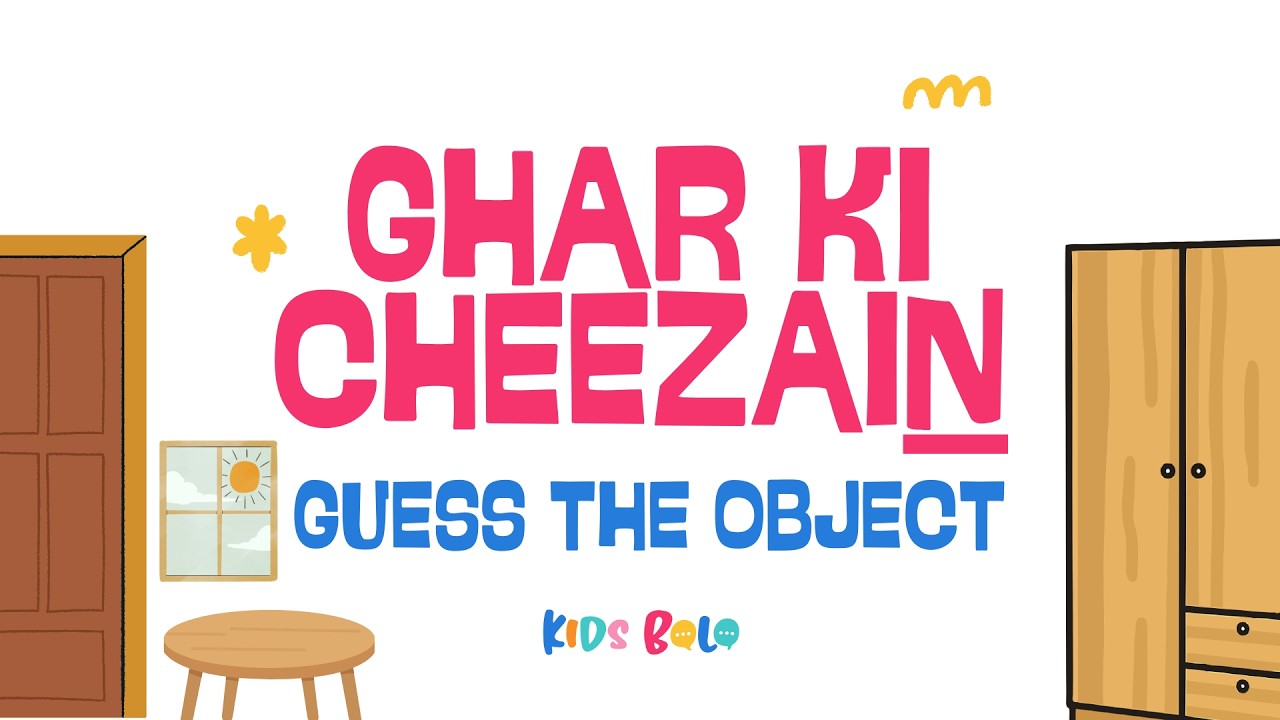
Free videos
Short Urdu learning videos for kids on our YouTube channel, on topics like colours, family, fruits, emotions and directions. They are a good first taste of how we teach.
Learning Urdu as an adult?
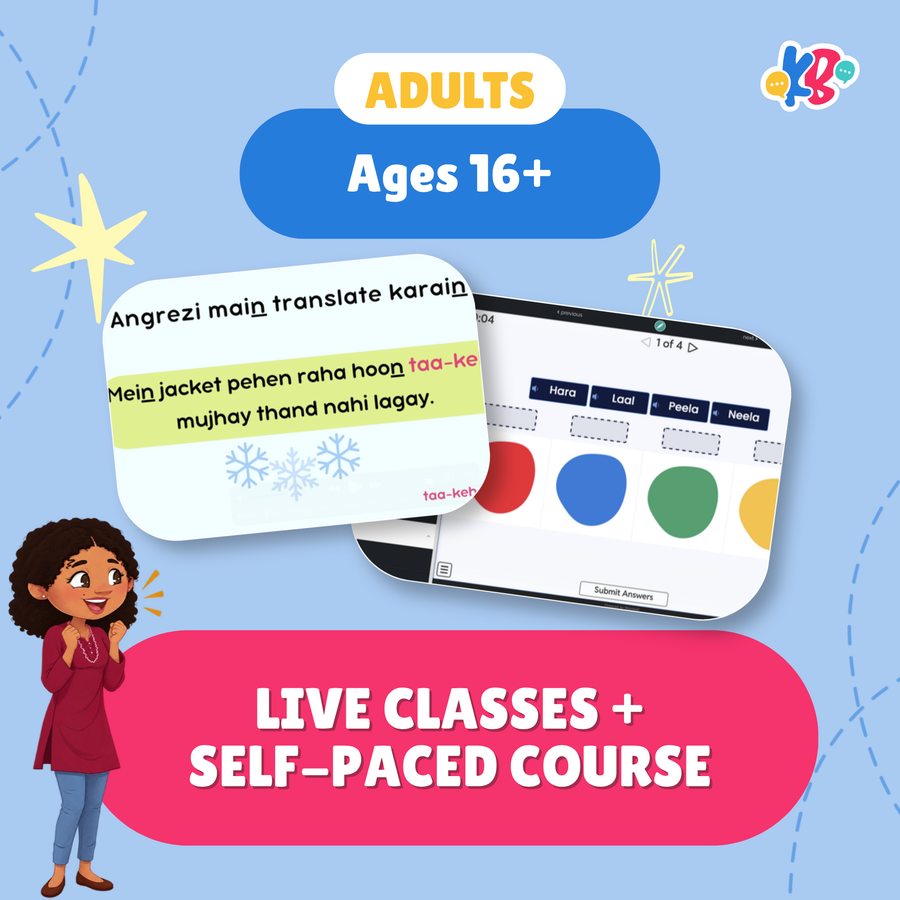
Plenty of parents decide to work on their own Urdu alongside their kids. We think that is wonderful, and your child will notice. Our live adult classes for ages 16 and up meet once a week for 60 minutes in small groups, and you can find them on the classes page above.
If you would rather learn on your own schedule, our self-paced course for learners 13 and up, Spoken Urdu: A Self Paced Journey, covers more than 400 everyday words and then basic sentence building, with audio recorded by native Urdu speakers and short quizzes along the way. Older learners (13+) who want to read and write the Urdu script can join our Urdu script classes.